NewsShipping
Wind-Assisted Shipping: A Strategic Advantage in Maritime Logistics
The adoption of rotor sails on a new roll-on/roll-off vessel for Airbus highlights a growing industry trend towards innovative auxiliary propulsion, offering substantial operational and environmental benefits for global supply chains.
Refined Fuels Partners · 16 October 2026
4 min read

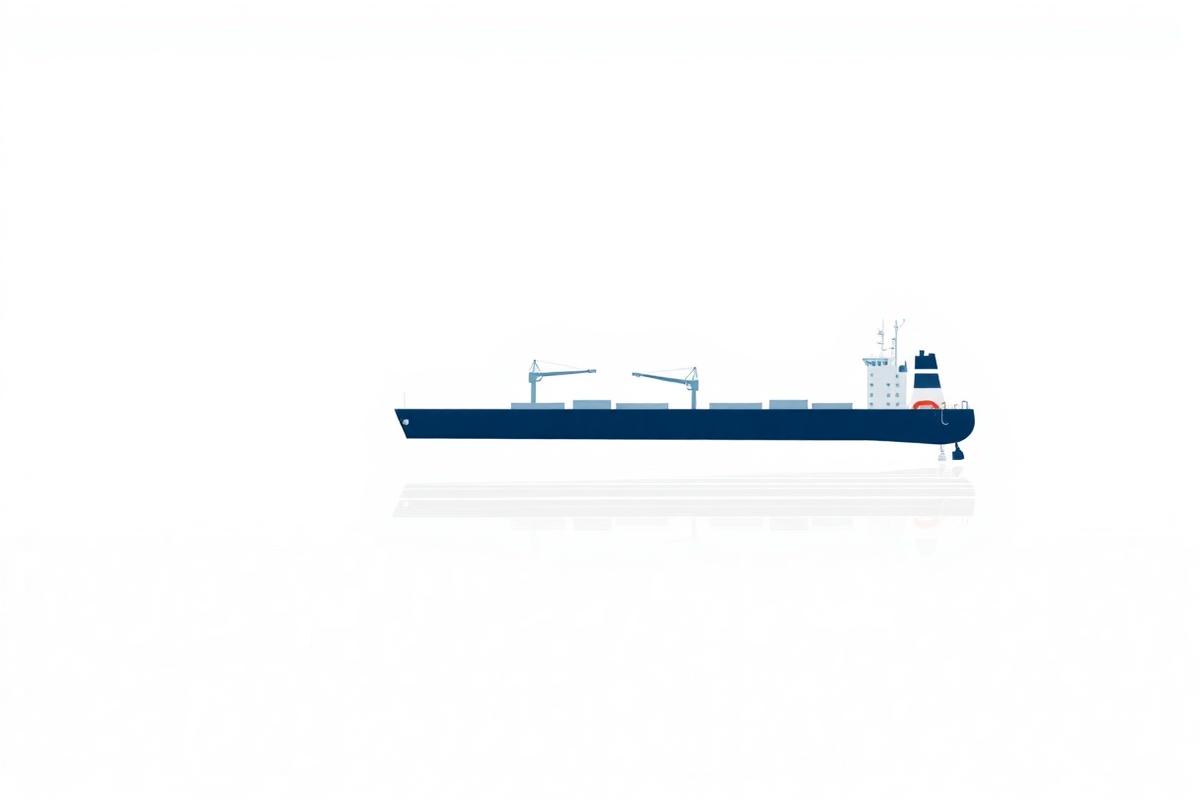
The recent installation of advanced wind-assisted propulsion technology on a newly constructed roll-on/roll-off (RoRo) vessel, designed for transporting critical aerospace components, signifies a clear acceleration in the maritime sector's pursuit of decarbonisation strategies. This development underscores the increasing commercial viability and practical integration of such systems within mainstream shipping operations.
This particular vessel, commissioned for a leading aerospace manufacturer's supply chain, will operate on a route connecting European ports. The deployment of multiple rotor sails on this specialised carrier demonstrates a firm commitment to reducing the carbon footprint associated with global logistics, particularly for high-value cargo where reliability and sustainability are paramount.
## Enhancing Efficiency and Reducing Emissions
A key benefit of wind-assisted propulsion systems lies in their ability to augment conventional engine power. By harnessing wind energy, these technologies can significantly decrease fuel consumption, leading to a corresponding reduction in greenhouse gas emissions. This not only aligns with evolving regulatory frameworks but also presents a compelling economic incentive through lower bunkering costs.
For operators of RoRo vessels, which often maintain consistent routes and schedules, the predictable nature of wind patterns on certain corridors can be effectively utilised. The integration of these systems allows for optimised voyage planning, enabling vessels to capitalise on favourable wind conditions to enhance speed or reduce engine load, thereby improving overall operational efficiency.
## Broader Industry Implications
This project serves as a prominent example for the wider shipping industry, demonstrating that advanced wind-assisted solutions are transitioning from pilot programmes to commercial application. The involvement of a major industrial client like Airbus, with its stringent environmental targets and complex supply chain requirements, lends considerable weight to the credibility and future prospects of this technology.
The trend towards auxiliary wind power is not confined to newbuilds; retrofitting existing fleets also presents a substantial opportunity for emissions reduction. As the industry navigates increasingly stringent environmental regulations and stakeholder demands for sustainable practices, the adoption of such proven technologies is expected to expand across various vessel types and trade lanes.
## The Future of Sustainable Shipping
While wind-assisted propulsion represents a significant stride, it forms part of a broader suite of solutions required for comprehensive maritime decarbonisation. Alongside advancements in alternative fuels, energy efficiency measures, and digital optimisation, these technologies contribute to a multifaceted approach necessary to achieve the sector's ambitious environmental goals. The ongoing investment and successful deployment of such systems will be crucial in shaping a more sustainable future for global shipping.
Refined Fuels Partners · London
The Refined Fuels Partners editorial desk produces original summaries and market framing of primary-source announcements across refined fuels, energy, commodities and shipping.