AnalysisMarine Fuels
Western Mediterranean LNG Bunkering Capacity Boosted by New Vessel Partnership
A new collaboration between Titan Clean Fuels and Sogestran Group is set to enhance liquefied natural gas (LNG) bunkering infrastructure in the Western Mediterranean, introducing a dedicated ship-to-ship refuelling capability.
Refined Fuels Partners · 2 September 2026
4 min read

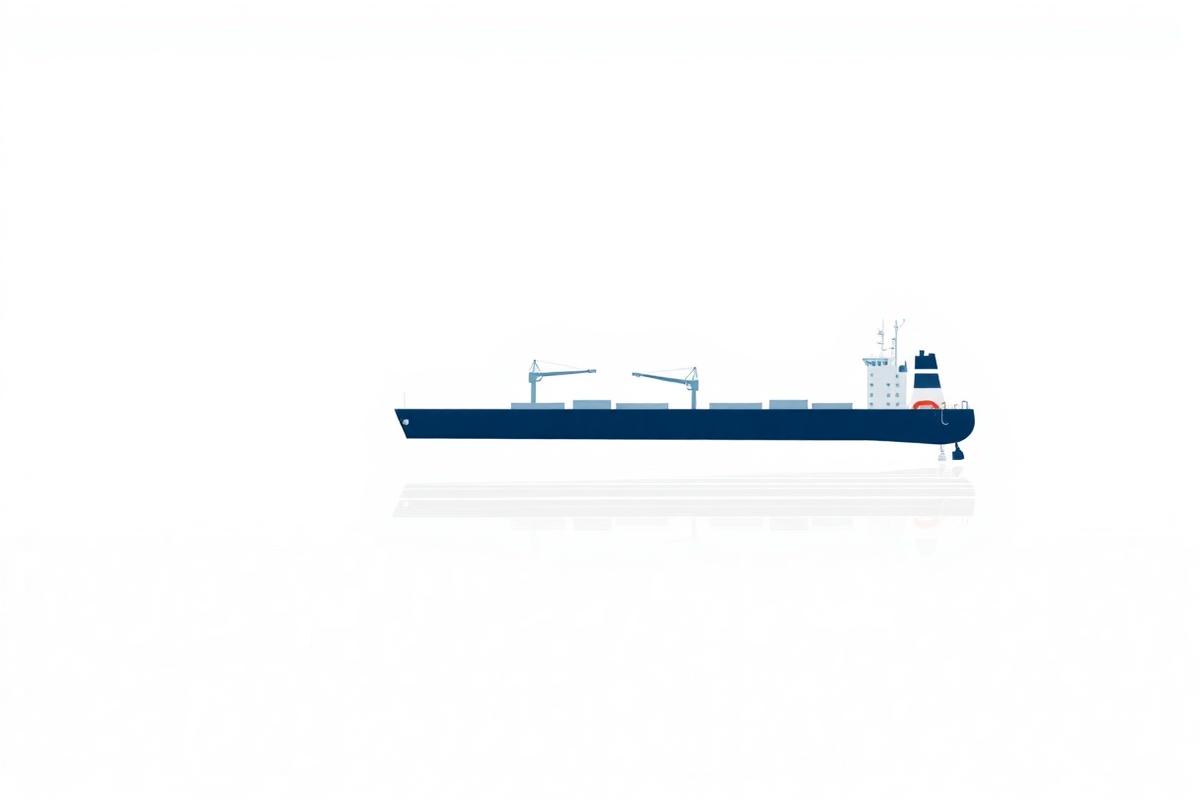
The marine fuels landscape in the Western Mediterranean is poised for a significant development following a strategic alliance between Titan Clean Fuels, a division of Molgas Group, and the Sogestran Group. This partnership is centred on the introduction of a new liquefied natural gas (LNG) bunker vessel (LNGBV), designed to bolster refuelling options for LNG-powered ships in the region.
This initiative marks a notable expansion of LNG bunkering services, moving beyond existing truck-to-ship operations to incorporate a dedicated ship-to-ship transfer capability. Such a development is crucial for accommodating larger vessels and increasing the efficiency and speed of bunkering processes, thereby supporting the growing adoption of LNG as a marine fuel.
The long-term nature of this agreement, encompassing the construction, charter, and operational management of the vessel, underscores a sustained commitment to developing LNG as a viable and accessible marine fuel. This integrated approach by the partners signals confidence in the trajectory of LNG's role in maritime decarbonisation efforts.
## Strategic Market Positioning
The Western Mediterranean represents a key maritime corridor, with significant shipping traffic traversing its waters. Enhancing LNG bunkering infrastructure in this region is strategically important for shipowners seeking to comply with increasingly stringent environmental regulations and reduce their carbon footprint.
The introduction of a 6,000 cubic metre (cbm) capacity LNGBV provides a substantial increase in the availability of LNG fuel. This scale of vessel is well-suited to serve a diverse range of shipping segments, from container ships to cruise liners, which are increasingly investing in dual-fuel propulsion systems.
This development also complements the broader energy transition within the maritime sector. As the industry explores various alternative fuels, LNG continues to serve as a prominent transitional fuel, offering immediate emissions reductions compared to conventional marine fuels. Investments in bunkering infrastructure, such as this, are vital for de-risking the adoption of LNG for ship operators.
For refined fuels traders and logistics providers, this expansion signifies a maturing market for alternative marine fuels. It highlights the ongoing shift in demand patterns and the necessity for robust supply chains capable of delivering diverse fuel types efficiently and reliably across key shipping routes.
The collaboration between an established clean fuels provider and a shipowner for a long-term asset deployment reflects a pragmatic approach to infrastructure development. It leverages expertise in fuel supply and maritime operations to create a comprehensive service offering, which is essential for fostering market confidence and driving further uptake of LNG as a marine fuel.
Refined Fuels Partners · London
The Refined Fuels Partners editorial desk produces original summaries and market framing of primary-source announcements across refined fuels, energy, commodities and shipping.