NewsShipping & Logistics
Fleet Expansion Signals Robust Crude Tanker Market Confidence
A significant acquisition within the crude tanker sector highlights prevailing optimism regarding future freight rates and strategic positioning in global oil logistics.
Refined Fuels Partners · 16 October 2026
4 min read
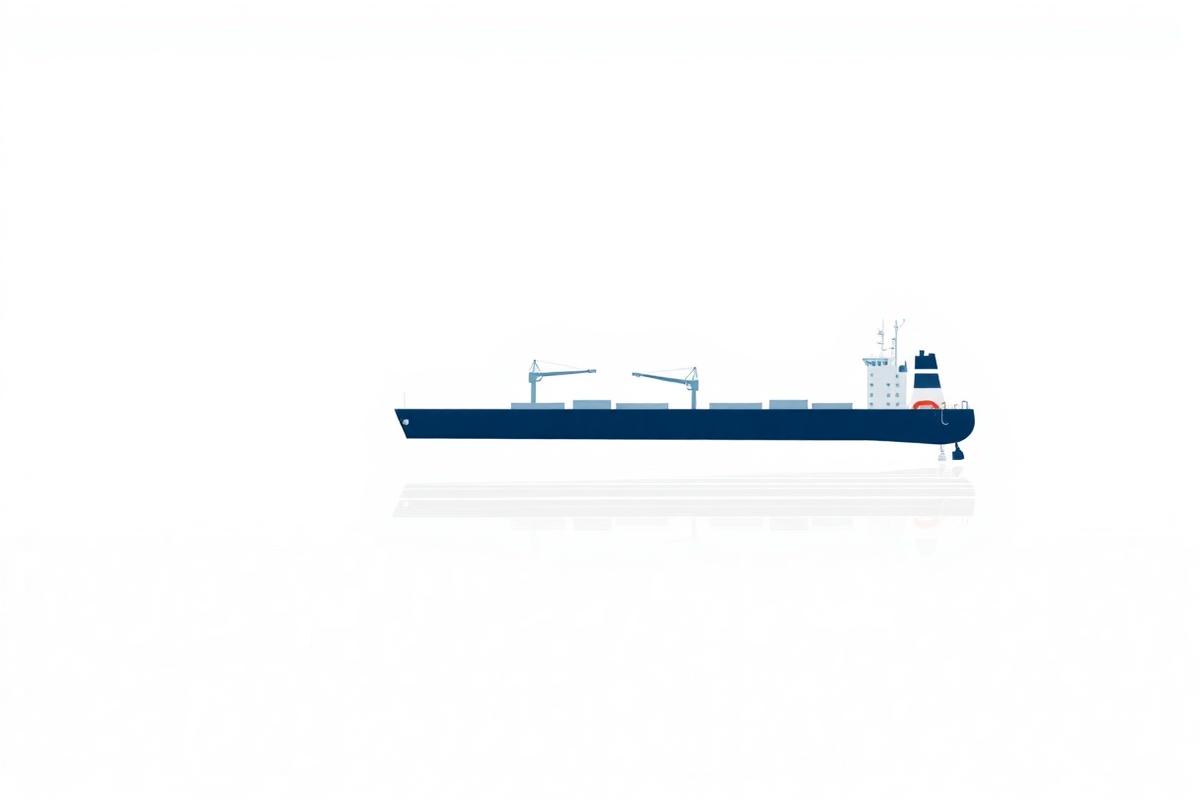
International Seaways recently announced a substantial agreement to acquire Bruton Limited, a transaction valued at approximately $370 million. This development marks a notable moment in the crude oil tanker market, as it will integrate four Very Large Crude Carriers (VLCCs) into the acquiring company's operational fleet, thereby expanding its capacity and market presence.
This strategic move unfolds during a period of favourable market conditions for the crude tanker segment. The acquiring entity has reported a significant uplift in spot earnings as the industry moves into the final quarter of the year, indicating robust demand for crude oil transportation services.
## Strategic Fleet Augmentation
The integration of these four VLCCs is particularly noteworthy due to their contemporary design. Vessels of this type are typically engineered for enhanced fuel economy, adherence to evolving environmental standards, and dependable operation, all of which are crucial for optimising voyage profitability and meeting the stringent requirements of charterers in a competitive environment.
For International Seaways, this expansion strengthens its standing as a key participant in the worldwide crude shipping network. A larger fleet offers increased adaptability in deploying assets across diverse trade routes, potentially enabling the company to capitalise on regional disparities in crude oil supply and demand.
## Implications for Crude Oil Logistics
This investment in additional VLCC capacity suggests a positive outlook on sustained crude oil demand and the associated maritime trade. VLCCs are fundamental to intercontinental crude oil transport, particularly for extensive journeys from major production areas to consumption hubs.
Such consolidations and fleet expansions can influence freight rate dynamics. While initially adding to vessel availability, the underlying rationale often stems from projections of consistent or growing demand, which tends to support higher charter rates over time. This benefits vessel owners by enhancing revenue per ship and overall fleet profitability.
From a broader market perspective, this transaction reflects confidence in the stability of global oil supply chains and the ongoing reliance on maritime transport for crude commodities. It indicates that, notwithstanding ongoing discussions about energy transition, the conventional crude tanker market is anticipated to remain a vital component of global energy logistics for the foreseeable future.
Refined Fuels Partners · London
The Refined Fuels Partners editorial desk produces original summaries and market framing of primary-source announcements across refined fuels, energy, commodities and shipping.