AnalysisAlternative Fuels
Scaled Electrification: Flagship Battery Vessel Enters Service in South America
The commercial deployment of the world's largest battery-electric vessel highlights the expanding technical ceiling for zero-emission propulsion across regional maritime networks.
Refined Fuels Partners · October 26, 2026
4 min read

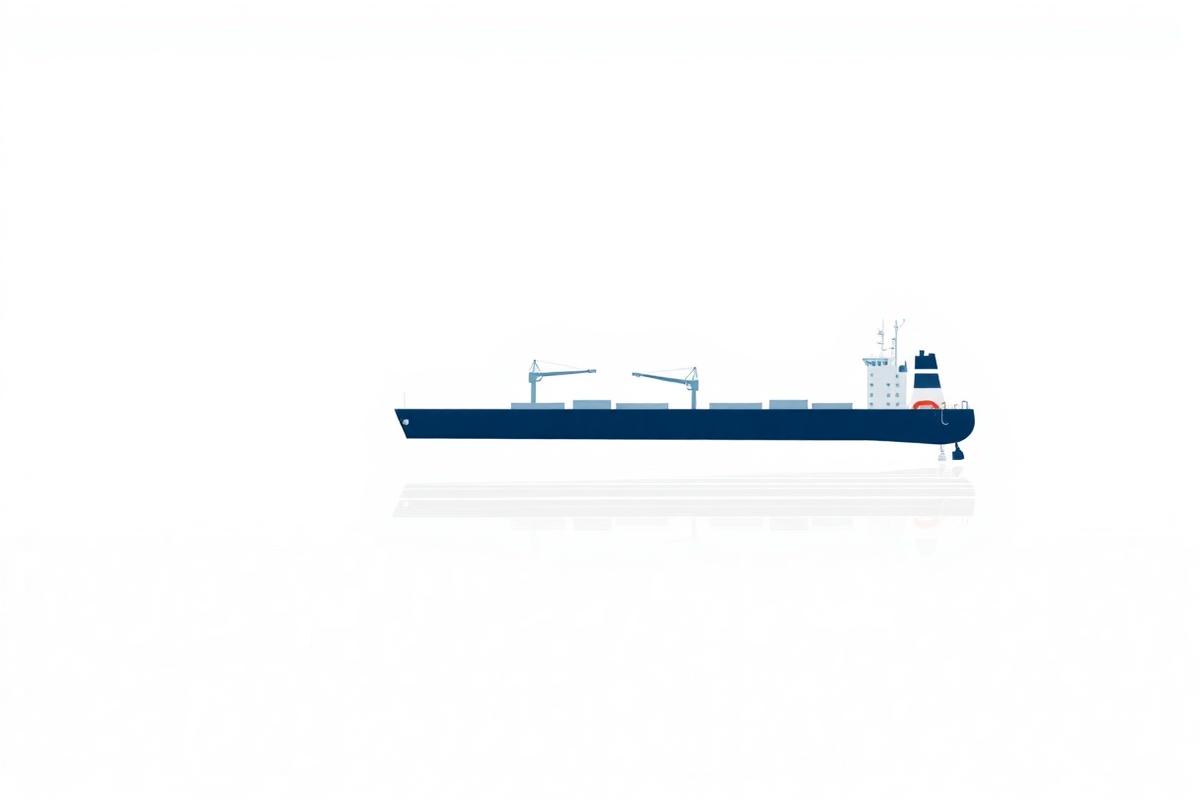
The official entry into commercial service of the world's largest battery-electric ship in South America marks a notable transition in maritime decarbonisation. Until recently, commercial battery propulsion was largely confined to harbour craft, small passenger launches, and tightly restricted inland waterways. The deployment of a vessel of this scale into regular passenger service demonstrates that energy storage systems can now meet the power and operational demands of larger commercial shipping segments.
For vessel operators and marine technology providers, this milestone validates the engineering viability of high-capacity marine battery packs operating in demanding commercial cycles. Scaling electrification up to major passenger tonnage requires addressing complex trade-offs between displacement, deadweight capacity, energy density, and turn-around times. The transition from demonstration projects to scheduled commercial service suggests that pack integration, thermal management, and power distribution systems have reached commercial maturity.
## Reshaping Port Infrastructure and Power Demands
The deployment of large-scale battery tonnage directly shifts energy demand from traditional marine bunker supply chains to the terrestrial electrical grid. For port authorities and utility partners, hosting vessels of this class necessitates substantial capital expenditure in megawatt-scale shore-charging architecture. Rapid charging systems must deliver substantial power loads during brief turnaround windows without destabilising regional grid networks.
This shift creates collaborative opportunities between vessel operators, port infrastructure developers, and local power utilities. As maritime consumers demand clean power directly at the quayside, the commercial value of these projects increasingly relies on power purchase agreements backed by regional renewable energy assets. Consequently, port terminals are progressively operating as integrated energy hubs rather than pure freight and passenger transit points.
## Operational Realities on Short-Sea Routes
Short-sea corridors and established passenger crossings offer optimal conditions for battery adoption, characterized by predictable route distances, repeatable operating profiles, and dedicated berths suitable for dedicated charging hardware. By locking in fixed charging schedules, operators insulate their balance sheets from volatile marine fuel pricing cycles and evolving emissions taxation mechanisms.
While high initial capital expenditure for bespoke battery systems remains a hurdle, electric propulsion delivers significant reductions in operational complexity compared to internal combustion arrangements. Reduced auxiliary component wear, minimal lubricating oil demand, and absence of exhaust gas cleaning systems offer a compelling total-cost-of-ownership model across the multi-year lifecycle of passenger vessels.
## Strategic Horizon for Regional Fleets
The successful commercialisation of large-capacity battery shipping in South America provides a tangible reference point for operators evaluating compliance pathways across enclosed waters, archipelagos, and coastal corridors globally. While long-haul ocean voyages will continue to rely on molecular marine fuels, pure battery and hybrid configurations are rapidly defining the standard for short-sea operations.
As battery chemistries continue to improve energy density and manufacturing efficiencies bring down unit costs, the threshold for viable vessel sizes will expand further. This regional deployment demonstrates that zero-emission operations at commercial scale are no longer theoretical, setting a new technical benchmark for regional passenger and freight operations worldwide.
Refined Fuels Partners · London
The Refined Fuels Partners editorial desk produces original summaries and market framing of primary-source announcements across refined fuels, energy, commodities and shipping.