AnalysisShipping & Logistics
Panama Canal Restrictions Prompt Strategic Rethink for Refined Fuels Logistics
Ongoing transit limitations at the Panama Canal, driven by persistent drought conditions, are compelling refined fuels traders and shippers to re-evaluate established routing strategies, with implications for supply chain resilience and operational costs.
Refined Fuels Partners · 2 September 2026
4 min read
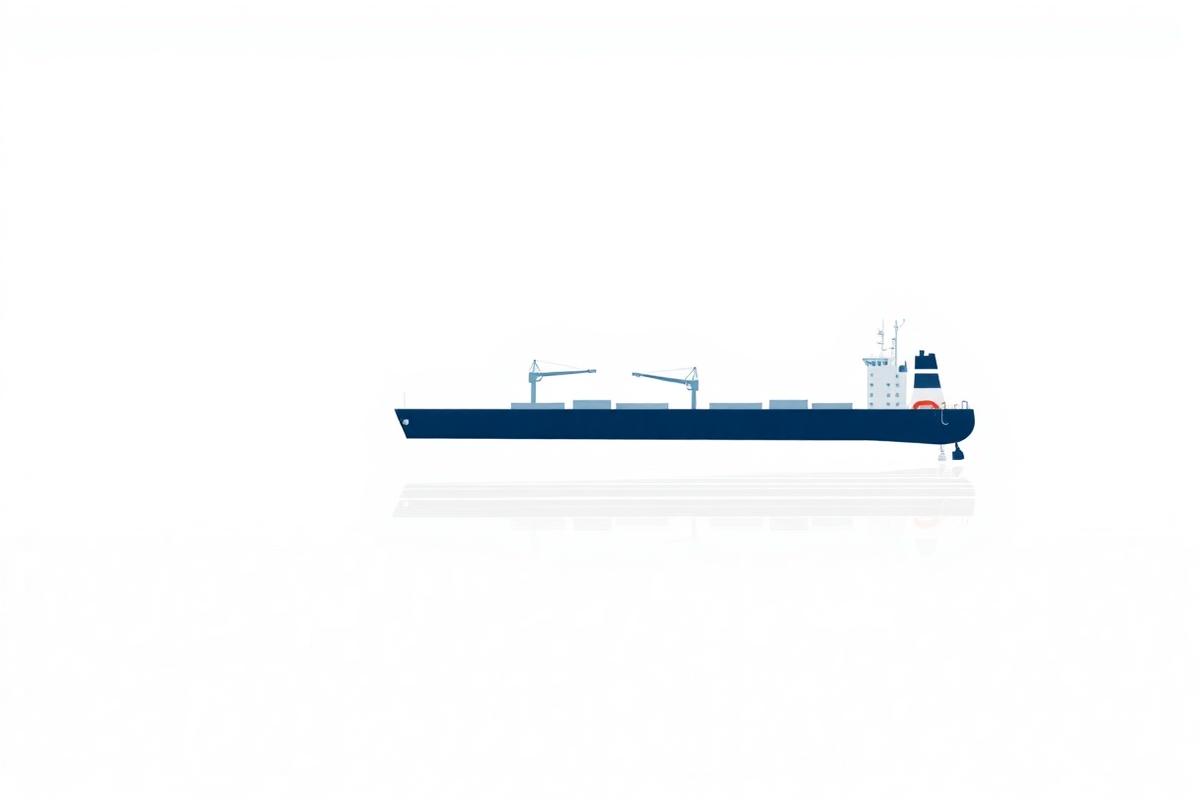
The Panama Canal remains a critical artery for global maritime trade, particularly for the movement of refined petroleum products between the Atlantic and Pacific basins. Its strategic importance lies in significantly shortening transit times and reducing operational expenditures compared to alternative routes. However, recurring environmental phenomena, specifically El Niño-related drought, are increasingly challenging the Canal's consistent operational capacity.
Recent periods of reduced water availability within the Canal's watershed have necessitated the Panama Canal Authority (ACP) to implement a series of transit restrictions. These measures, primarily affecting the number of daily transits and vessel draft, are designed to manage water resources effectively and maintain operational integrity. For the refined fuels sector, these restrictions translate into potential delays, increased waiting times, and a need for more agile logistical planning.
## Operational Adjustments and Alternative Routes
The immediate impact for vessels carrying refined fuels includes extended lead times and the potential for higher demurrage costs. Shippers are now faced with a complex decision matrix: absorb the delays and associated costs, or consider alternative, longer voyages. One such alternative, historically less favoured due to its length and challenging conditions, is the route around Cape Horn.
While the Cape Horn route offers an unrestricted passage, it significantly extends voyage durations, increasing fuel consumption, crew costs, and exposure to adverse weather. For refined fuels, where timely delivery and inventory management are paramount, such extended transits introduce additional layers of risk and operational complexity. This shift underscores the delicate balance between transit efficiency and supply chain resilience.
The ongoing situation highlights the imperative for refined fuels market participants to integrate climate-related risks into their long-term logistical planning. Diversifying routing options, enhancing vessel scheduling flexibility, and potentially investing in more fuel-efficient tonnage capable of longer voyages are becoming key considerations. Furthermore, the market may see a re-evaluation of inventory holding strategies to buffer against potential supply chain disruptions.
Ultimately, the sustained challenges at the Panama Canal serve as a potent reminder of the interconnectedness of global trade, environmental factors, and energy logistics. Adapting to these evolving conditions will be crucial for maintaining competitive advantage and ensuring the reliable flow of refined fuels to global markets.
Refined Fuels Partners · London
The Refined Fuels Partners editorial desk produces original summaries and market framing of primary-source announcements across refined fuels, energy, commodities and shipping.