AnalysisOffshore
Next-Generation Offshore Wind Installation Vessels Signify Evolving Energy Infrastructure Demands
The formalisation of a new engineering consultancy agreement for the development of a large-scale jackup vessel underscores the industry's commitment to advancing offshore wind capabilities and addressing future energy requirements.
Refined Fuels Partners · 2 September 2026
4 min read

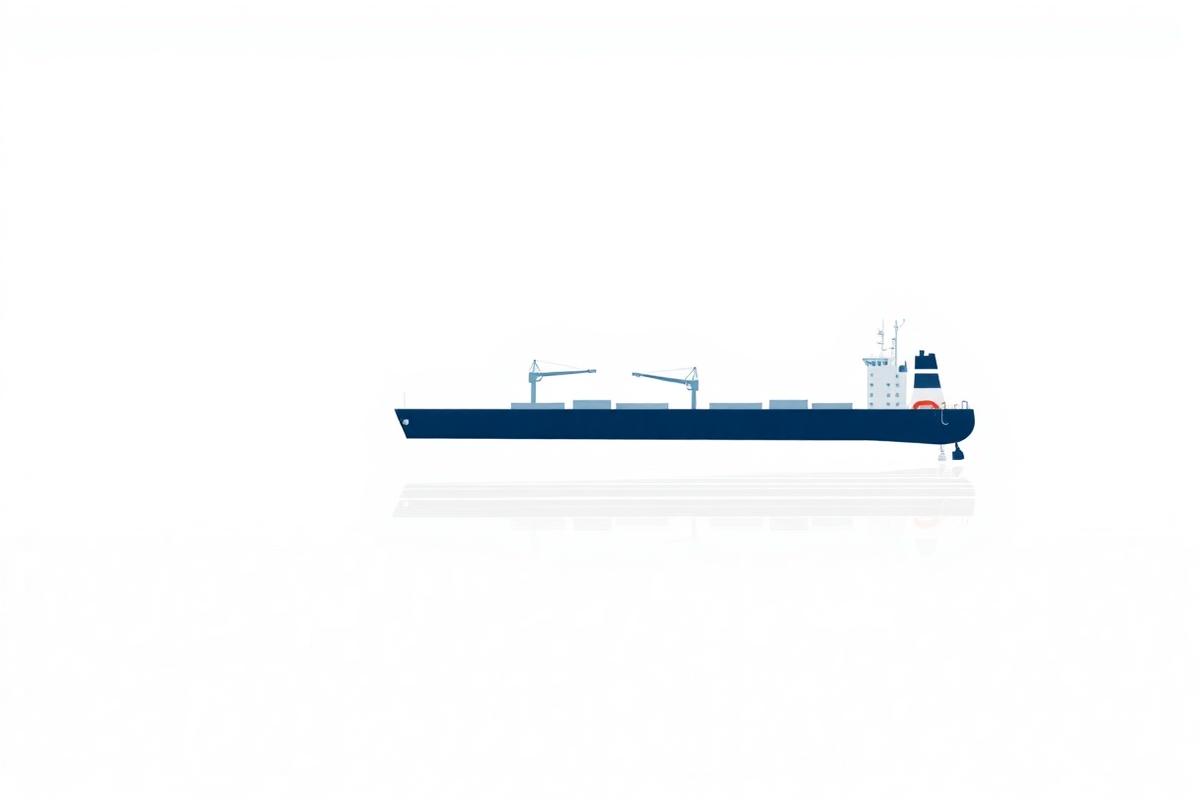
The recent announcement at SMM 2026 regarding a new collaboration to develop a substantial jackup monopile and wind turbine installation vessel, dubbed the VITRUVIAN Class, marks a significant development in the offshore energy sector. This strategic partnership between Deltamarin Ltd. and Offshoretronic S.L. aims to bring a novel vessel design to a shipyard-ready state, reflecting the ongoing evolution in maritime engineering to support the burgeoning offshore wind industry.
This initiative highlights the increasing demand for specialised marine assets capable of handling the ever-growing scale of offshore wind farm components. As turbine sizes and foundation dimensions expand, the logistical and technical challenges of installation become more pronounced, necessitating innovative vessel designs with enhanced lifting capacities, operational envelopes, and stability.
The focus on a jackup design for both monopile and wind turbine installation suggests an industry-wide recognition of the efficiencies gained from integrated capabilities. Such vessels can streamline project timelines by reducing the need for multiple specialised units, thereby potentially optimising project economics and accelerating deployment schedules for large-scale offshore wind developments.
## Strategic Implications for Energy Infrastructure
For the refined fuels sector and broader energy trading landscape, the progression of offshore wind infrastructure is a critical long-term trend. While not directly impacting immediate refined product demand, the successful deployment of larger, more efficient wind farms contributes to the diversification of energy supply, influencing future energy mixes and potentially altering long-term demand patterns for conventional fuels.
The development of advanced installation vessels like the VITRUVIAN Class is indicative of substantial capital investment flowing into renewable energy infrastructure. This investment signals confidence in the long-term viability and expansion of offshore wind as a significant contributor to global energy supply, a factor that commodity traders and energy strategists monitor closely.
Furthermore, the construction and operation of these highly specialised vessels themselves represent a niche but important demand segment for marine fuels and lubricants. While the operational fuel consumption of such vessels is a fraction of global shipping, their existence underpins the broader energy transition narrative that shapes future market dynamics.
The move towards larger, more capable installation assets also reflects a maturing offshore wind supply chain. As projects move further offshore and into deeper waters, the engineering challenges intensify, requiring robust and reliable marine solutions. This collaboration is a testament to the industry's proactive approach in meeting these evolving technical requirements.
Ultimately, this engineering agreement underscores the continuous drive within the maritime and energy sectors to innovate and adapt. The successful realisation of such ambitious vessel designs will be instrumental in unlocking the full potential of offshore wind, contributing to a more diversified and sustainable global energy portfolio, which has long-term implications for all segments of the energy market.
Refined Fuels Partners · London
The Refined Fuels Partners editorial desk produces original summaries and market framing of primary-source announcements across refined fuels, energy, commodities and shipping.