AnalysisShipping & Logistics
Maersk's Rotor Sail Deployment Signals Broader Efficiency Drive in Container Shipping
The integration of wind-assist technology on a Maersk container vessel marks a significant step in the industry's pursuit of operational efficiency and emissions reduction, offering potential implications for fuel consumption and trade routes.
Refined Fuels Partners · 2 September 2026
4 min read

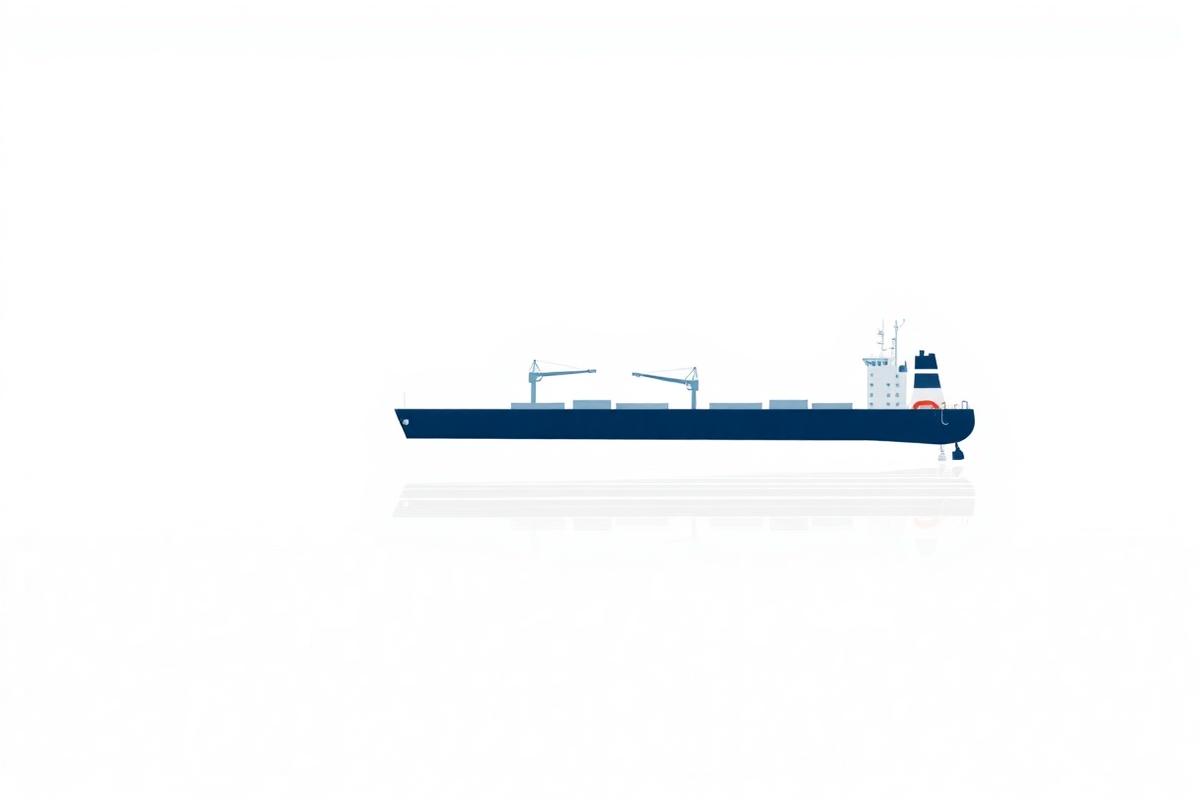
The recent announcement by A.P. Moller – Maersk regarding the adoption of Anemoi Marine Technologies' rotor sail system on one of its container vessels represents a notable development in maritime decarbonisation efforts. This initiative, involving an 8,700 TEU Maersk Lima class vessel, underscores the industry's increasing focus on leveraging innovative solutions to enhance vessel performance and mitigate environmental impact.
The deployment of such wind-assist technology on a large container ship highlights a practical application of solutions that have been discussed within the sector for some time. For refined fuels partners, this signals a potential shift in the demand profile for marine fuels, as operators seek to optimise voyages through supplementary propulsion methods.
## Operational and Economic Implications
The primary objective behind integrating rotor sails is to improve vessel efficiency. By harnessing wind power, these systems can reduce the main engine's load, leading to lower fuel consumption. This translates directly into operational cost savings, a critical factor for shipping lines navigating volatile fuel price environments and increasing regulatory pressures.
Beyond immediate cost benefits, the widespread adoption of such technologies could influence fleet management strategies. Operators may consider the optimal deployment of wind-assisted vessels on specific routes known for consistent wind conditions, thereby maximising the economic and environmental advantages. This strategic planning could impact bunkering requirements and port calls.
## Decarbonisation Trajectory and Market Signals
This move by a major shipping entity like Maersk sends a clear signal to the broader maritime industry regarding the viability and increasing acceptance of wind-propulsion solutions. It reinforces the commitment to meeting ambitious decarbonisation targets set by international bodies and national regulations. For the energy trading sector, this trend suggests a continued push towards lower-carbon fuel alternatives and efficiency-enhancing technologies.
The ongoing evolution of vessel design and operational practices, driven by both environmental imperatives and economic realities, presents new opportunities for collaboration across the maritime supply chain. From technology providers to fuel suppliers and logistics partners, adapting to these changes will be key to maintaining competitive advantage and fostering sustainable trade.
As the industry progresses towards a more sustainable future, the integration of diverse efficiency measures, including wind-assist systems, will likely become a standard component of fleet optimisation strategies. This development underscores the dynamic nature of the shipping sector and its continuous adaptation to evolving market demands and environmental responsibilities.
Refined Fuels Partners · London
The Refined Fuels Partners editorial desk produces original summaries and market framing of primary-source announcements across refined fuels, energy, commodities and shipping.