AnalysisShipping
Long-Term Charter Renewals Signal Stability in Container Shipping Market
SFL Corporation's recent charter extensions with Hapag-Lloyd underscore a strategic move towards revenue predictability and asset utilisation in the evolving container shipping sector.
Refined Fuels Partners · 14 September 2026
4 min read
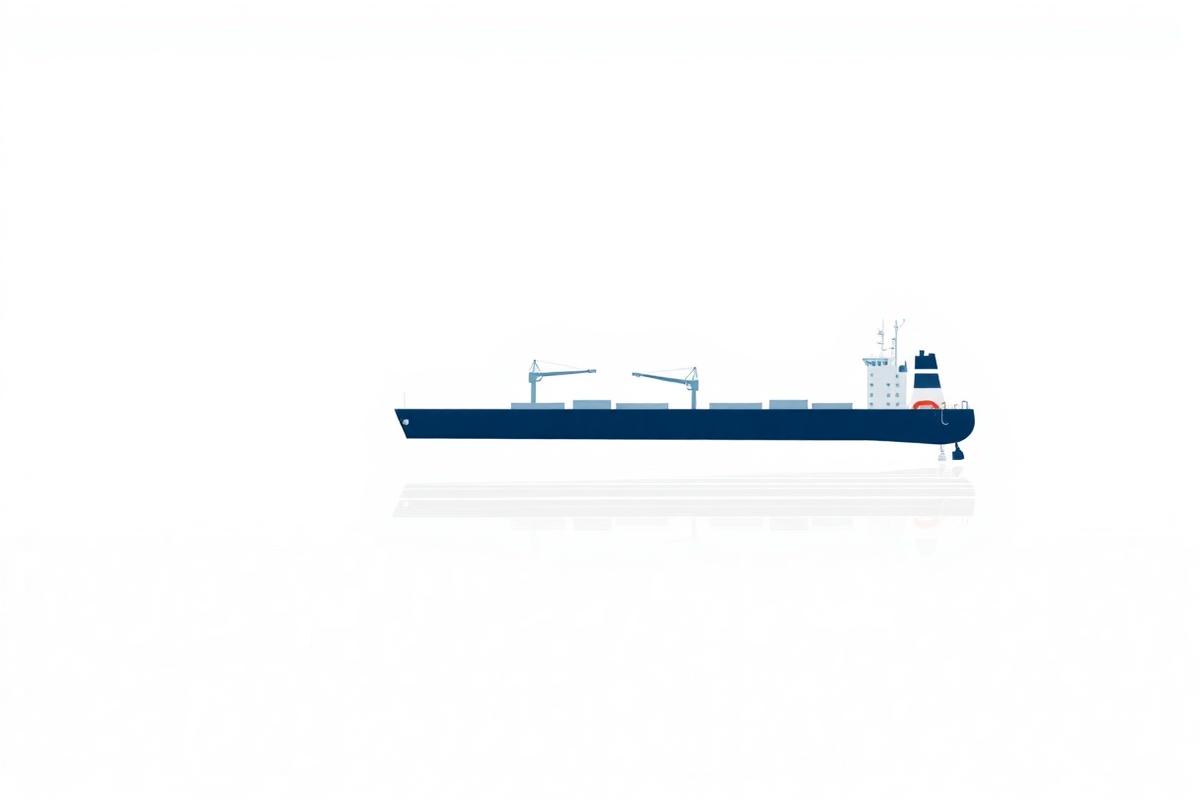
The recent agreement between SFL Corporation and Hapag-Lloyd for extended charters on six large containerships highlights a significant trend within the maritime logistics industry. This deal, securing an additional $750m in contracted revenue for SFL, extends the operational tenure of these 15,400 TEU vessels through to 2035-36, reinforcing long-term commitments between owners and operators.
For tonnage providers like SFL, securing such extended charters with established liner companies offers substantial benefits. It provides a robust revenue stream, enhancing financial visibility and stability over a protracted period. This predictability is particularly valuable in a sector often subject to fluctuating freight rates and demand cycles.
The commitment from Hapag-Lloyd to these vessels for another seven years suggests a strategic imperative to maintain fleet capacity and operational consistency. In a market where newbuild deliveries are a constant consideration, securing existing, proven assets under long-term agreements can be a pragmatic approach to fleet management and network planning.
## Implications for Asset Utilisation and Investment
This type of long-duration fixture directly impacts asset utilisation. By extending charters well into the next decade, SFL ensures that these high-value assets remain actively employed, mitigating risks associated with re-chartering in potentially less favourable market conditions. This approach supports consistent returns on capital invested in these vessels.
From an investment perspective, a growing charter backlog, now reportedly around $4.6bn for SFL, strengthens the company's financial profile. Such a substantial forward book can be attractive to investors seeking stability and predictable cash flows in the shipping segment, potentially influencing capital allocation decisions and future growth strategies.
The current market environment, characterised by ongoing geopolitical shifts and evolving trade patterns, places a premium on operational certainty. Liner operators are increasingly looking to secure tonnage that supports their long-term network strategies, while asset owners are keen to lock in reliable income streams.
This transaction exemplifies a broader industry trend where strategic partnerships and long-term contractual arrangements are becoming a cornerstone of risk management and operational efficiency. It underscores a mutual benefit for both asset owners seeking revenue stability and operators aiming for fleet consistency in a dynamic global trade landscape.
Refined Fuels Partners · London
The Refined Fuels Partners editorial desk produces original summaries and market framing of primary-source announcements across refined fuels, energy, commodities and shipping.