AnalysisLNG Shipping
Larger LNG Carriers: A Strategic Evolution for Global Gas Logistics
New analysis suggests that increasing the capacity of LNG carriers to 200,000 cubic metres could offer significant operational and economic advantages for the global gas trade, without necessitating extensive infrastructure overhauls.
Refined Fuels Partners · 23 September 2026
3 min read
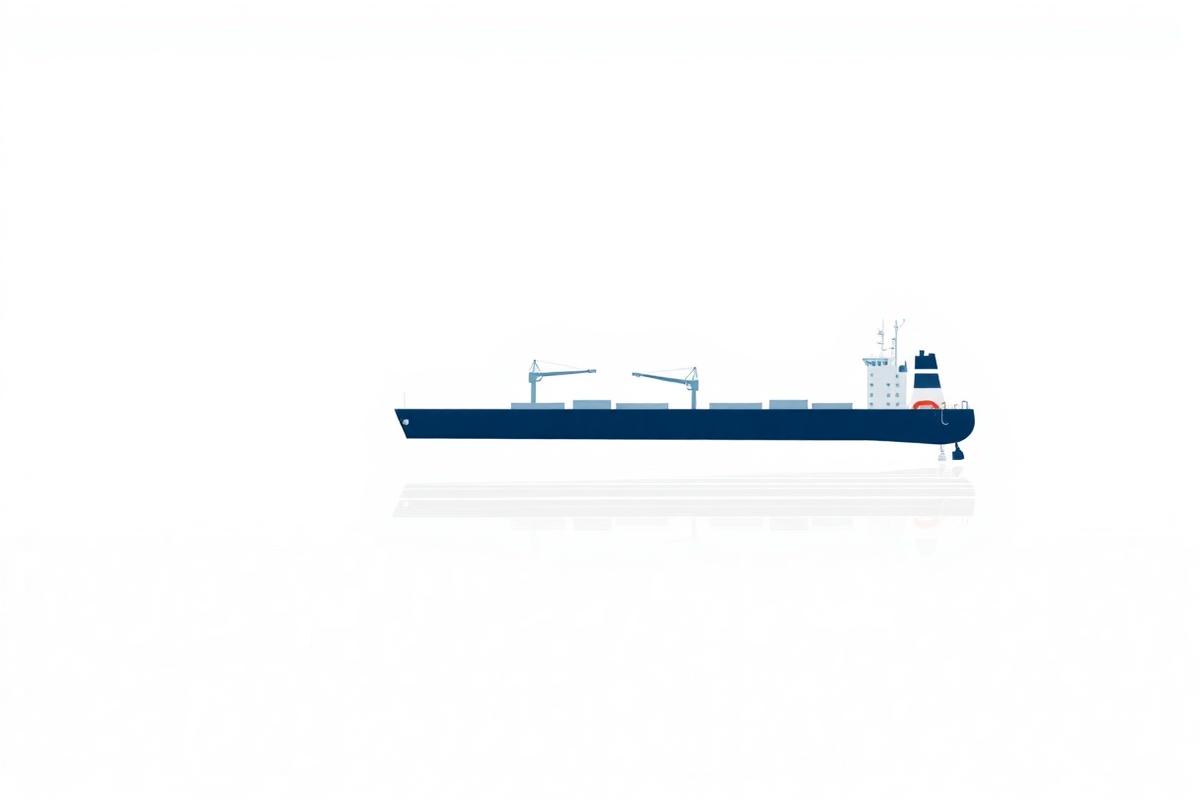
The global liquefied natural gas (LNG) shipping sector is continually evaluating pathways for efficiency and capacity enhancement. A recent study highlights the potential for a new class of larger LNG carriers, specifically those with a capacity of 200,000 cubic metres, as a logical progression for fleet renewal and expansion.
This analysis indicates that such vessels could deliver increased cargo volumes per voyage, thereby optimising the transportation of LNG. A key finding suggests these larger ships could contribute to a reduction in overall transportation costs, a critical factor in the competitive global energy market.
## Operational and Economic Advantages
One of the most compelling aspects of this development is the assessment that these larger vessels may integrate into existing terminal infrastructure with minimal disruption. This compatibility is crucial, as extensive modifications to port facilities and regasification terminals represent significant capital expenditure and lead times.
The potential for greater cargo capacity per vessel directly translates into enhanced supply chain efficiency. Fewer voyages would be required to transport the same volume of LNG, which can lead to reduced fuel consumption per unit of cargo and lower operational expenditures for shipping companies.
For LNG producers and buyers, the prospect of lower transportation costs could improve the economic viability of long-haul trade routes and enhance market liquidity. This efficiency gain supports the broader objective of delivering energy commodities more cost-effectively to global markets.
## Strategic Implications for the LNG Sector
The findings, developed in collaboration with GTT, underscore a forward-looking approach to maritime logistics within the energy sector. As global demand for LNG continues to evolve, the ability to transport larger volumes more efficiently becomes increasingly important for energy security and market responsiveness.
This strategic evolution in vessel design could offer a pragmatic solution for fleet owners looking to modernise their assets while simultaneously addressing the industry's drive for improved economic and environmental performance. It signals a potential direction for future investment in newbuild programmes, aligning with long-term energy trade projections.
Refined Fuels Partners · London
The Refined Fuels Partners editorial desk produces original summaries and market framing of primary-source announcements across refined fuels, energy, commodities and shipping.