NewsShipping & Logistics
Addressing Running Gear Drag: RightShip Enlists Propspeed in Innovation Programme
A collaboration between the maritime risk assessor and the underwater foul-release specialist highlights a widening operational focus on niche hydrodynamic surfaces to curb bunker burn.
Refined Fuels Partners · November 4, 2026
3 min read

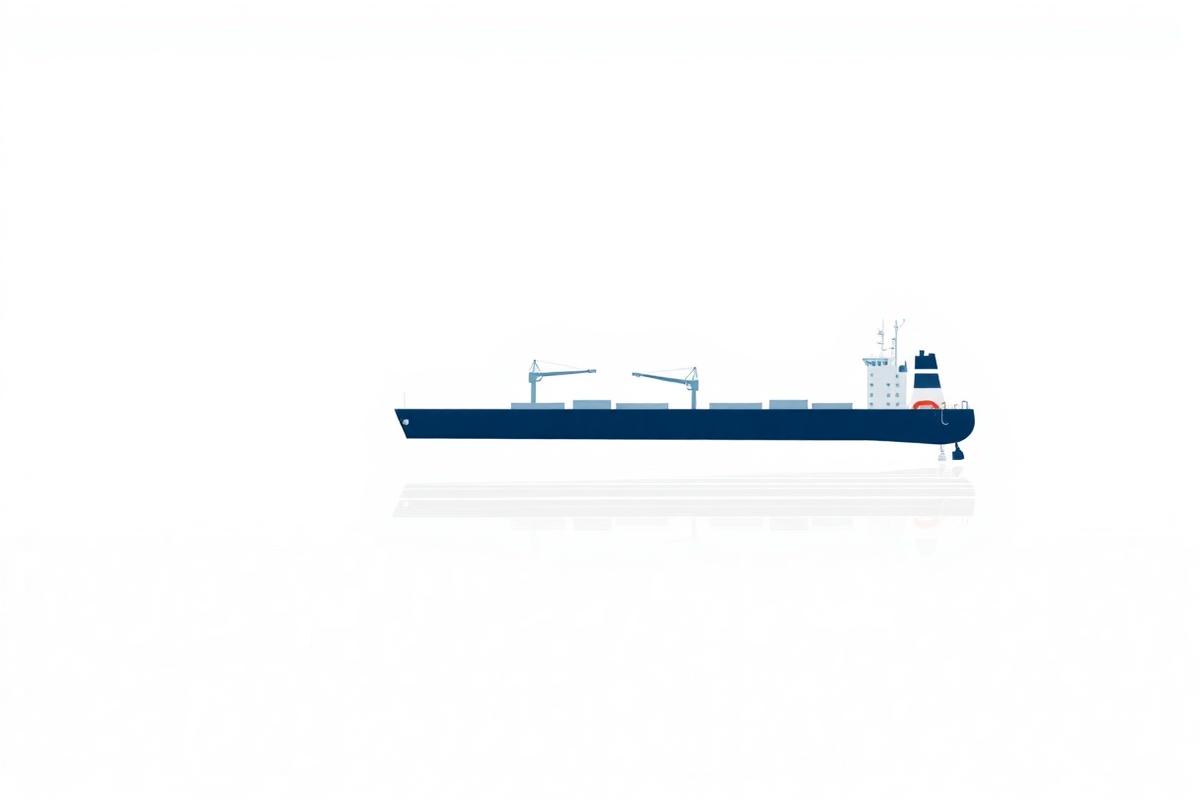
As commercial shipping contends with tightening regulatory benchmarks and increasing carbon accountability, the effort to reduce bunker consumption is expanding beyond general hull maintenance into specialised hydrodynamic intervention. This operational shift is underscored by Propspeed joining RightShip's Zero Harm Innovation Partners Program, a scheme intended to advance sustainable vessel operations through targeted efficiency technologies.
While broad hull biofouling has historically absorbed the majority of fleet maintenance attention, running gear—including propellers, rudders, and running appendages—presents specific hydrodynamic sensitivities. Even modest fouling accumulation on propulsion components degrades rotational efficiency, creating parasitic drag and forcing main engines to burn supplementary fuel simply to maintain standard service speeds.
## Integrating technical gains with risk appraisal
RightShip’s vetting architecture serves as an established benchmark for environmental due diligence, maritime risk management, and vessel selection across the commodity trading and chartering sectors. By accommodating dedicated technical specialists within its innovation framework, the organisation is fostering closer alignment between niche operational improvements and broader environmental evaluation.
For shipowners and commercial operators, demonstrating verifiable control over propulsion degradation is becoming directly linked to commercial marketability. With charterers actively monitoring greenhouse gas intensity across supply chains, operational solutions that preserve propulsion efficiency directly impact voyage economics and the environmental metrics used during pre-fixture assessments.
## Incremental gains ahead of fuel transition
The growing visibility of specialised foul-release coatings within maritime sustainability programmes reflects a wider reality in international bunkering: near-term emissions reductions will depend considerably on cumulative, mechanical efficiencies. While zero-carbon marine fuels remain constrained by cost and infrastructure deficits, mitigating hydrodynamic friction across all submerged running gear offers immediate fuel conservation.
Moving forward, collaborative vetting initiatives of this nature demonstrate how technical retrofits and data-driven risk platforms can coalesce. By identifying specific efficiency bottlenecks such as propeller and appendage drag, the commercial freight sector continues to build a multi-layered approach to lowering total voyage emissions.
Refined Fuels Partners · London
The Refined Fuels Partners editorial desk produces original summaries and market framing of primary-source announcements across refined fuels, energy, commodities and shipping.